
Ward Storm Roof Leak Drivers
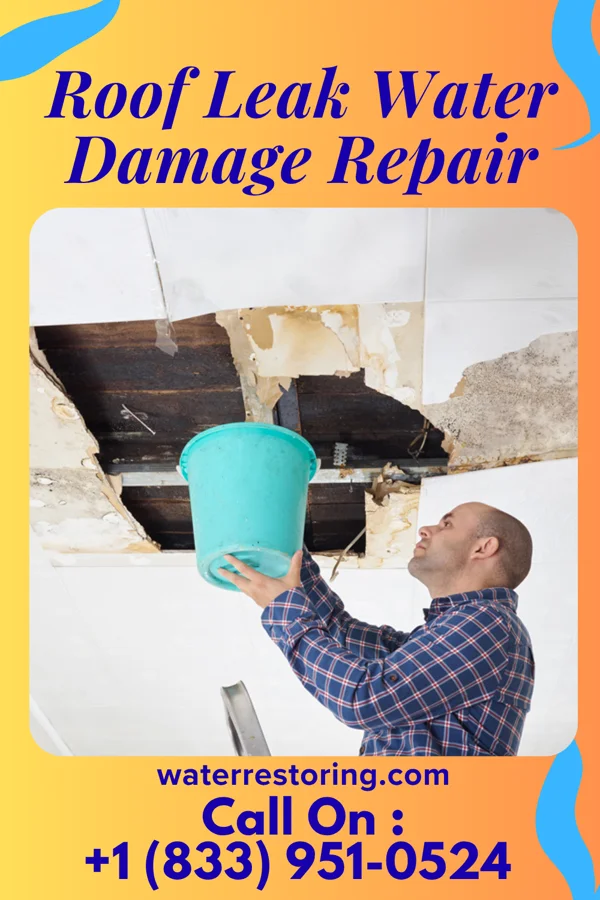
Water damage in Ward tends to cluster in predictable windows because of the local climate. Ward, South Dakota experiences frequent spring and summer thunderstorms, which can lead to sudden heavy rainfall and strong winds. These conditions often result in roof leaks, especially on older or improperly maintained structures. The region's cold winters also contribute to ice dams, which can cause water to back up under shingles and seep into the home. A close second is In addition to thunderstorms, Ward is prone to occasional hailstorms that can damage roofing materials, creating entry points for water. The area's dry summer months can lead to rapid roof material deterioration, increasing the risk of leaks during the next rain event..
Ward's climate, characterized by cold winters and warm, humid summers, creates conditions that accelerate roof degradation. The combination of freeze-thaw cycles and heavy precipitation increases the likelihood of water damage, particularly in older homes and those with inadequate roofing maintenance.
Ward's climate, characterized by cold winters and warm, humid summers, creates conditions that accelerate roof degradation. The combination of freeze-thaw cycles and heavy precipitation increases the likelihood of water damage, particularly in older homes and those with inadequate roofing maintenance. The dominant local driver is Ward, South Dakota experiences frequent spring and summer thunderstorms, which can lead to sudden heavy rainfall and strong winds. These conditions often result in roof leaks, especially on older or improperly maintained structures. The region's cold winters also contribute to ice dams, which can cause water to back up under shingles and seep into the home., with In addition to thunderstorms, Ward is prone to occasional hailstorms that can damage roofing materials, creating entry points for water. The area's dry summer months can lead to rapid roof material deterioration, increasing the risk of leaks during the next rain event. showing up as the next most common cause. Damage builds in stages. Spread. Absorption. Microbial growth. Structural compromise. Every stage you pass through adds to the final bill.